How To Tell When Habanero Peppers Are Ripe And Tips

Habanero peppers are a popular addition to many spicy dishes, known for their fiery heat and unique flavor, as well as health benefits. Here’s the scoop on how to tell when habanero peppers are ripe!
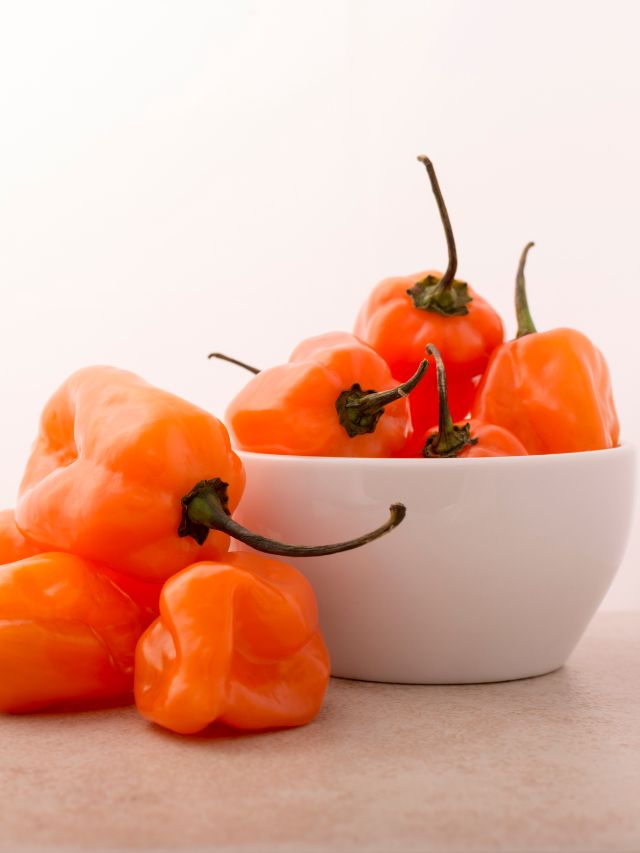
These peppers come in tons of different varieties and different colors.
They are some of the hottest peppers out of all the different types of peppers, but like any spicy peppers, you can still grow your own in your garden.
Growing your own habanero plants for the next growing season can be incredibly rewarding, as fresh habaneros last for a long time and have the best flavor.
However, growing your own habaneros means you need to know the plant information.
Such as how to sow seeds from the seed packet, when to harvest them at the perfect time and how to pick habanero peppers.
Plus how to protect yourself at the end of the season when you go to pick peppers of your full harvest.
By closely observing your habanero plants and understanding the indicators of ripeness for next year, you can confidently harvest the peppers with the best results and enjoy their robust flavors in your home-cooked meals.
Identifying Ripe Habanero Peppers

We’ve got the scoop on how to identify ripe habanero peppers by examining their color change, size and length, firmness and texture, and aroma and flavor.
It’s a good idea to know when the best time to harvest is because then you won’t have to worry about ruining your dish.
Color Change
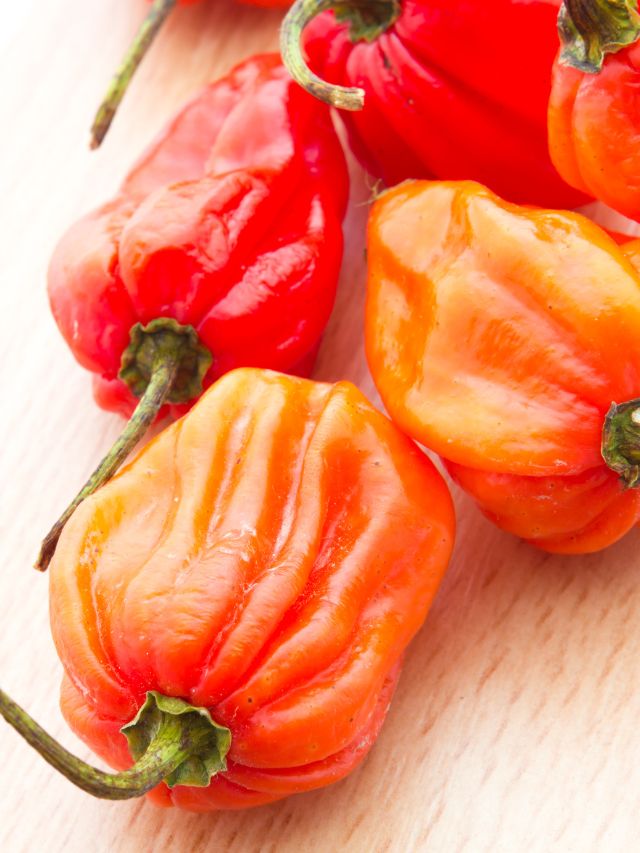
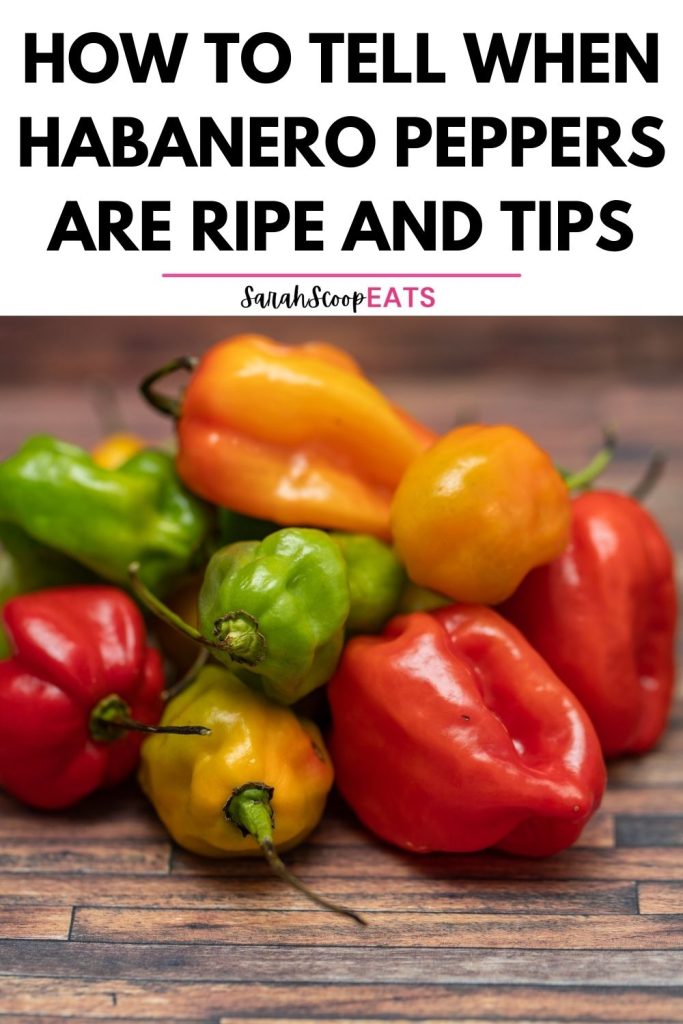
As habanero peppers ripen, their color shifts from a faded yellow or green to a bright orange or red.
This color change is a clear sign of maturity, so look for peppers with a vibrant hue.
Size and Length
A ripe habanero pepper will be about 2.5 inches in length.
The size may vary depending on the variety, but generally, ripe peppers won’t grow much larger.
Firmness and Texture
Upon reaching maturity, habanero peppers will have a firm yet slightly wrinkled texture.
For red habaneros, you may notice many folds and creases on the surface.
As the pepper ripens, its seeds should also become creamy in color.
Aroma and Flavor
Ripe habanero peppers have a distinct fruity aroma and a strong, spicy flavor.
When seeking ripe peppers, consider giving them a sniff to detect their characteristic scent.
Keep in mind that green habaneros are unripe and will not have the same taste or smell as their ripe counterparts.
Additionally, keep a look out for tiny brown lines, as this shows the ripe fruit is growing fast and should be picked soon.
Fungal diseases, warm temperatures, and the general fear of frost in cold weather will also affect the characteristics of your peppers
By observing these factors, you can confidently identify ripe habanero peppers and enjoy their bold, spicy taste.
Harvesting Habanero Peppers
When and How to Pick
Habanero peppers usually ripen between 90-120 days after transplanting outdoors.
However, this timing can vary based on pepper plant care and climate.
For example, if you plant in early March, your peppers will likely be ready in late April to early July.
Habaneros are ready for harvest when:
- They change color (typically from green to bright orange)
- They reach a size of around 2-3 inches long
- The pepper’s skin appears waxy and smooth
To harvest habanero peppers, gently grasp the small stem and pull off gently.
Alternatively, use sharp scissors to avoid breaking branches or damaging the plant.
Using Gloves and Pruning Shears
It’s important to protect your sensitive skin and eyes when handling habanero peppers, as their capsaicin content can cause irritation.
To minimize contact:
- Wear gloves to protect your hands
- Use pruning shears to snip stems without touching the peppers directly
- Avoid touching your face or eyes while harvesting
Handling Overripe and Too Early Habaneros
Sometimes you may encounter overripe or too-early habaneros on your plant.
Here’s what you should do:
Overripe Habaneros:
- Remove them from the plant to prevent rot or disease
- Salvage usable parts for cooking or processing
- Consider wearing gloves and using pruning shears for handling
Too Early Habaneros:
- Leave them on the plant to allow for further ripening
- Monitor their growth and color development
Remember, habanero peppers that haven’t reached their full size or color may not have the desired heat level or flavor.
Storing and Preserving Habanero Peppers
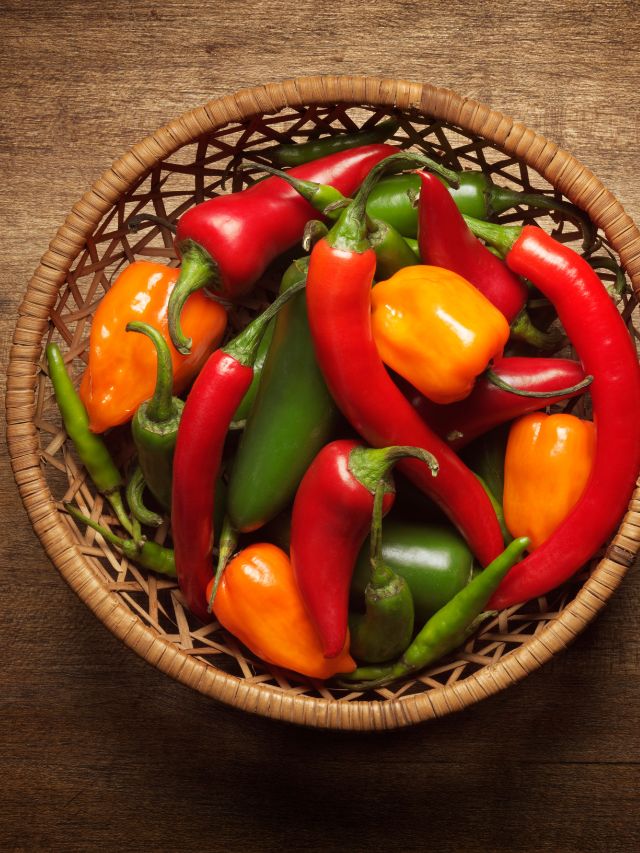
Habanero peppers can be stored and preserved in various ways to prolong their shelf life and maintain their flavor and heat.
Here’s the scoop on refrigerator storage, freezing habaneros, and the pickling process.
Refrigerator Storage
To store habanero peppers in the refrigerator, a great choice is to place them in a paper or plastic bag and store them in the vegetable crisper drawer.
This method helps maintain their freshness and can last for three to five days at room temperature.
Freezing Habaneros
Freezing is a great way to preserve habanero peppers for an extended period. To do this:
- Wash the peppers thoroughly and dry them completely.
- Remove the stems and slice the peppers into desired sizes or leave them whole.
- Place the peppers on a baking sheet lined with parchment paper, making sure they don’t touch each other.
- Put the baking sheet in the freezer for a few hours until the peppers are completely frozen.
- Transfer the frozen habaneros to a resealable clear bag, paper bag, or an airtight container and keep them in the freezer.
Frozen habanero peppers can be used directly in recipes without requiring any defrosting.
You can also freeze habanero pepper seeds for later on as well.
Pickling Process
The pickling process is another effective method for preserving habanero peppers.
To pickle habaneros:
- Wash the peppers, remove the stems, and slice them into rings or leave them whole.
- In a saucepan, combine equal parts water and vinegar (white, apple cider, or distilled) along with any desired spices (such as garlic, mustard seeds, or bay leaves).
- Bring the mixture to a boil and let it simmer for a few minutes.
- Add a little olive oil as well to your ripe fruits as well, but be careful there’s no residual pepper oil.
- Pack the habanero peppers into sterilized jars, leaving some headspace.
- Pour the hot vinegar mixture over the peppers, completely submerging them.
- Seal the jars tightly and let them cool before storing them in the refrigerator.
Pickled habanero peppers can be stored for several months in the refrigerator and are excellent for adding to sandwiches, salads, or any dish that needs a kick of heat and tang.
You can also do this to thai peppers, banana peppers, bell peppers such as green peppers, ghost peppers, the Scotch Bonnet pepper, and jalapeno peppers.
Varieties of Habanero Peppers
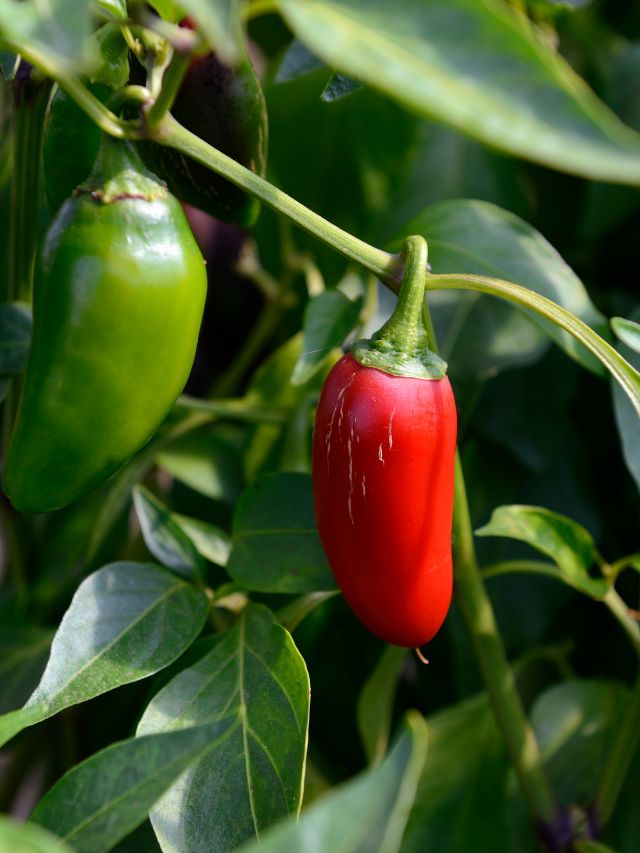
There are several varieties of habanero peppers, each with unique colors, flavors, and heat levels.
Here are some of the most common and unique types, including orange and red habaneros, chocolate and mustard habaneros, and habanadas, among others.
Orange and Red Habaneros
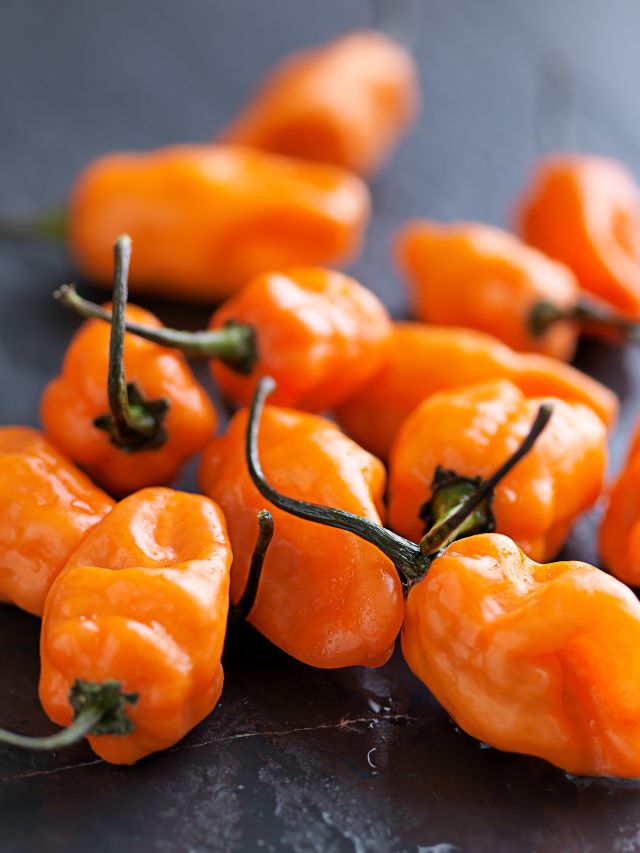
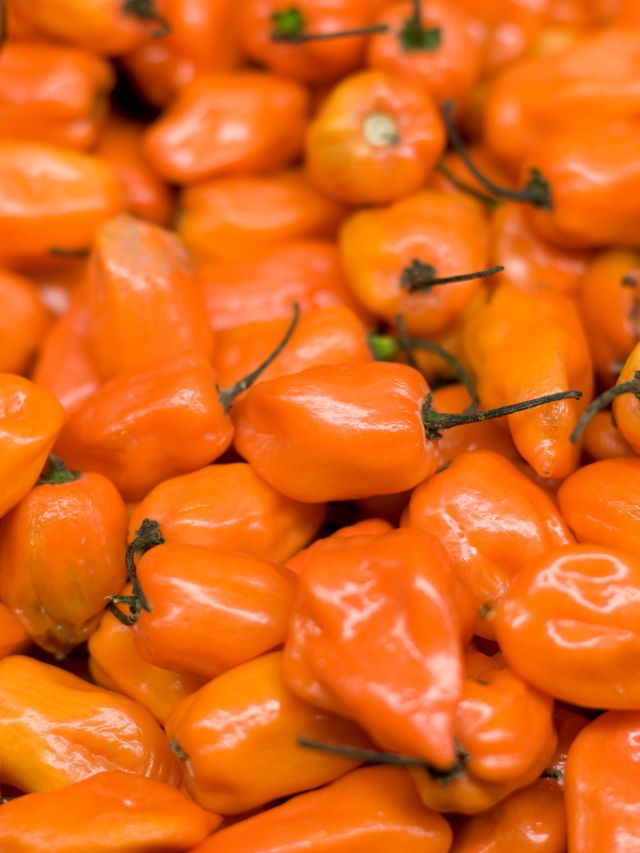
- Orange Habanero: This is the most common variety of habanero pepper. When ripe, it turns a bright orange color, and the peppers typically measure 1 to 2.5 inches in length and 1 to 2 inches in diameter.
- Red Habanero: The red habanero is similar in size to the orange habanero but turns a deep red color when ripe. This variety is sometimes hotter than its orange counterpart.
Chocolate and Mustard Habaneros
- Chocolate Habanero: True to its name, the chocolate habanero turns a rich brown color when mature. These peppers are often hotter than the standard orange or red habaneros and have a unique, slightly earthy flavor. One popular type of the Jamaican chocolate habanero.
- Mustard Habanero: This less common habanero variety is green-yellow when ripe. Its flavor profile is similar to that of other habanero varieties, and its heat level can range from mild to relatively high.
Habanada and Other Unique Types
- Habanada: Bred for its fruity flavor and less intense heat, the habanada is a unique habanero variety. These peppers turn orange when ripe, but lack the heat typically associated with habaneros, making them an excellent option for those who enjoy milder peppers.
There are numerous habanero pepper varieties to choose from, each with its own distinct color, flavor, and heat level.
Whether you prefer the classic orange and red habaneros, the earthy chocolate habanero, or the mild sweet pepper like the habanada, there’s a habanero variety to suit your taste.
Growing Habanero Peppers
Climate and Temperature Requirements
Habanero peppers (scientific name Capsicum Chinense) are hot peppers originally from South America.
They thrive in warm climates, as they are perennial plants in their native region.
The ideal temperature range for habaneros is between 70-90°F during the day and 60-70°F during the night.
They can tolerate minor temperature fluctuations but are sensitive to frost and extremely low temperatures.
Planting Seeds and Germination
To successfully grow habaneros, start by planting seeds indoors 6-8 weeks before the last frost date.
Seeds will typically germinate within 7-10 days under ideal conditions, such as providing warm (~80°F), moist soil with plenty of air circulation.
Use a seed heating mat to maintain the right temperature for faster germination.
Germination Steps:
- Plant seeds 1/4 inch deep in seed-starting mix
- Keep soil consistently moist but not overly wet
- Maintain temperature around 80°F
- Provide adequate air circulation
Seeds should begin to sprout within 7-10 days.
Once seedlings are about 2 inches tall, they can be transplanted outdoors when temperatures consistently meet the required range.
Caring for Habanero Plants
Habanero plants need proper care to ensure a productive harvest.
Some key factors include:
- Watering: Habanero plants prefer well-draining soil and consistent moisture. Water when the top inch of soil feels dry, being careful not to over-water or create standing water.
- Fertilizing: Apply a balanced fertilizer (such as a 10-10-10) every few weeks throughout the growing season for optimal growth and productivity.
- Pruning: Trim off non-fruiting branches occasionally, focusing on the main plant’s growth and structure to ensure adequate air circulation and sunlight penetration.
- Pest Control: Habaneros are relatively pest-resistant, but always keep an eye out for pests like aphids, whiteflies, or spider mites. Use organic or chemical pesticides if necessary, following label instructions.
Habanero peppers will typically ripen between 90-120 days after transplanting outdoors.
Monitor color and size changes closely, as these are critical indicators of ripeness.
Depending on the variety, ripe habanero peppers can be orange, red, or other colors like peach, yellow, brown, purple, or white.
They usually measure around 2 inches long.
Spiciness and Heat Measurement
Scoville Scale and Heat Units
The spiciness of chili peppers, including habaneros, is measured using the Scoville Scale.
This scale measures the concentration of capsaicinoids in each pepper variety, providing a number called the Scoville Heat Units (SHU) to indicate the level of heat.
Capsaicinoids are the compounds responsible for the heat sensation experienced when eating spicy foods.
Habanero peppers range from 100,000 to 350,000 Scoville heat units, which is significantly hotter than many other chili peppers.
In comparison to jalapeños, habaneros can be up to 76 times hotter, a possible reason for why it’s so popular among foodies.
Capsaicin Content
Capsaicin is the primary chemical compound responsible for the spiciness in chili peppers.
It is an active component of capsaicinoids and binds to the pain receptors in our mouths, causing the burning sensation we associate with spicy foods.
The concentration of capsaicin varies between different pepper varieties, leading to different levels of spiciness.
As mentioned earlier, habanero peppers fall on the higher end of the Scoville Scale and thus have a higher concentration of capsaicin compared to milder chili peppers like serranos and jalapeños.
Comparing to Other Peppers
To better understand the heat level of habanero peppers, it is helpful to compare their Scoville ratings to other popular chili peppers:
| Chili Pepper | Scoville Heat Units |
| Bell Pepper | 0 |
| Poblano | 1,000 – 2,000 |
| Jalapeño | 2,500 – 8,000 |
| Serrano | 10,000 – 23,000 |
| Habanero | 100,000 – 350,000 |
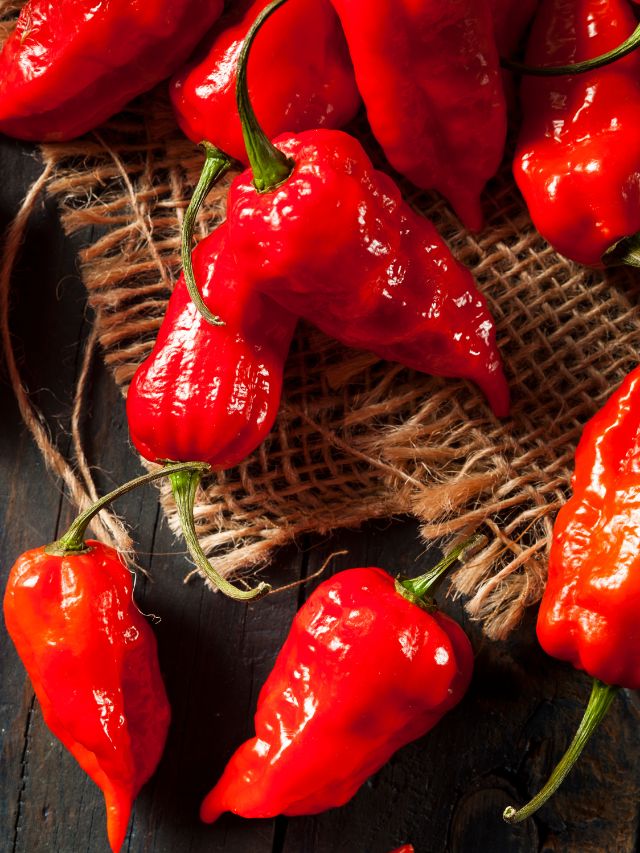
| Ghost Pepper | 855,000 – 1,041,427 |
As you can see, habanero peppers are significantly hotter than milder peppers like jalapeños and serranos, but not as hot as the infamous ghost pepper.
Knowing these heat levels is essential when preparing dishes with different types of chili peppers, such as hot sauces or spicy salsas, to ensure the desired level of heat is achieved.
Using Habanero Peppers in Recipes
Habanero peppers pack quite a punch when it comes to flavor and heat.
Knowing how to harvest them and incorporate them into your recipes can elevate your culinary creations.
Here’s how to make homemade hot sauce and spicy salsas featuring habanero peppers, as well as tips and tricks for cooking with them.
Homemade Hot Sauce
Habanero peppers have a unique flavor that can add excitement to your homemade hot sauces.
When they’re green, they have a more earthy flavor with less heat, while late-stage ripeness imparts a sweeter taste.
To make a simple habanero hot sauce, you’ll need:
- 10-15 ripe habanero peppers
- 1/2 cup chopped onion
- 2 cloves garlic, minced
- 1/2 cup white vinegar
- Salt, to taste
- Remove the seeds and stems from the peppers, then roughly chop them.
- In a saucepan, sauté the onions and garlic until they become translucent.
- Add the peppers, vinegar, and salt to the saucepan.
- Simmer the mixture for about 10 minutes, until the peppers soften.
- Carefully blend the sauce, being cautious of the pepper fumes.
- Strain the sauce through a fine mesh sieve, then bottle and store in the refrigerator.
You can also explore different homemade hot sauce recipes using habanero peppers by browsing through Amazon.
Spicy Salsa
To create a spicy salsa with habaneros, combine the following ingredients:
- 2 ripe tomatoes, chopped
- 1/2 small onion, chopped
- 1/2 cup fresh cilantro, chopped
- 1 clove garlic, minced
- 2 habanero peppers, seeded and minced
- Lime Juice (1 lime)
- Salt and pepper, to taste
Mix all ingredients well and let the salsa sit for an hour in the refrigerator, allowing the flavors to meld together.
Cooking Tips and Tricks
When cooking with habanero peppers, here are a few helpful tips to make the process smoother:
- For safety, always wear gloves when handling habaneros to avoid skin irritation from capsaicin.
- To control the heat level in your recipes, you can adjust the number of habanero peppers or remove seeds to reduce the spiciness.
- Incorporate habaneros into dishes like fajitas, tacos, or quesadillas by sautéing them with other ingredients.
- Use habanero peppers for a twist on traditional recipes, such as habanero mint jelly or habanero margaritas.
No matter what type of spicy pepper you choose, know that you’re getting a great source of vitamin C and that all your hard gardening work has paid off!
Tips to Remember
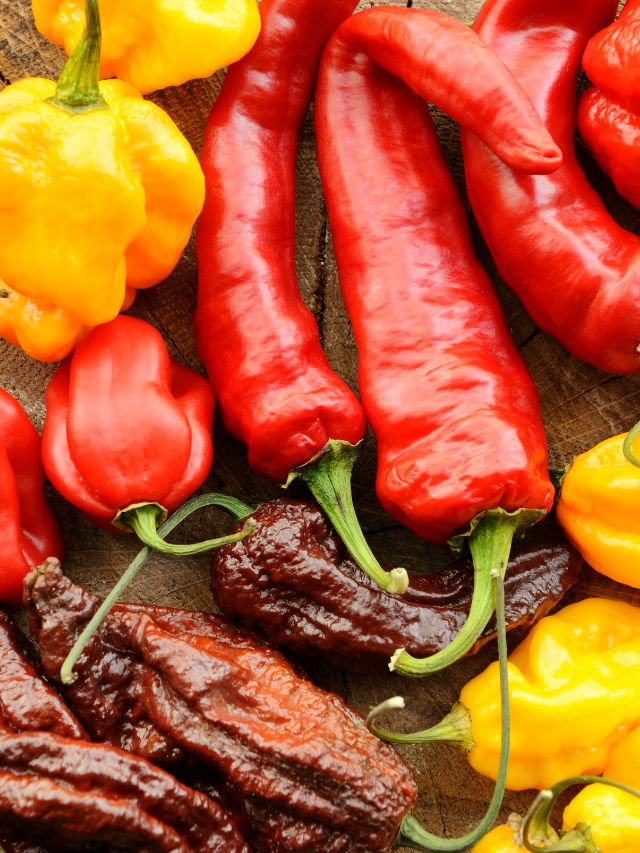
Habanero seeds need full sun and well-drained soil for the ripening process, as this type of pepper has a long growing season.
You need to pick the peppers off your habanero pepper plants at the right time, and the best way to do so is by following the general rules these peppers follow.
Determining when the peppers are ripe and ready for picking can be a challenge for both novice and experienced gardeners.
Recognizing the signs of ripeness such as full color ensures that you not only enjoy the best taste but also maintain the plants’ health and productivity.
The ripeness of habanero peppers can typically be identified by a change in color, size, and other physical features.
When these peppers reach their full maturity, in home gardens they usually develop a bright orange or red hue and measure approximately 1 to 2.5 inches in length, while unripe habaneros do not share these traits.
As the unripe peppers mature, their heat level also intensifies, adding a distinctive kick to your favorite dishes.
Additionally, instead of using your bare hands, you should use garden clippers or gloves and give a slight tug to harvest these peppers.
Final Thoughts
Determining the ripeness of habanero peppers is an essential skill for any chili enthusiast.
To identify ripe habanero peppers, look for a bright orange color, which is characteristic of their maturity.
Pay attention to specific habanero cultivar such as the Red Savina, known for its vibrant hue.
Additionally, consider the origin of these peppers, as the Yucatán Peninsula is renowned for its habanero production.
The presence of organic matter and healthy plant growth can also indicate the readiness of the peppers for harvest.
Remember that ripe habaneros offer a unique flavor profile and a desired level of heat, making them perfect for adding a spicy kick to various dishes.
However, it’s important to handle habaneros with caution, as their intense heat can be overwhelming.
Consult with reputable sources and exercise proper safety measures when picking and using habanero peppers.
Enjoy the fiery flavors responsibly, as part of a well-balanced diet, and be mindful of any personal health conditions, such as heart disease, that may be affected by consuming spicy foods.
Get the scoop on more like this: