How To Store Cake Batter: Refrigerate And Freeze
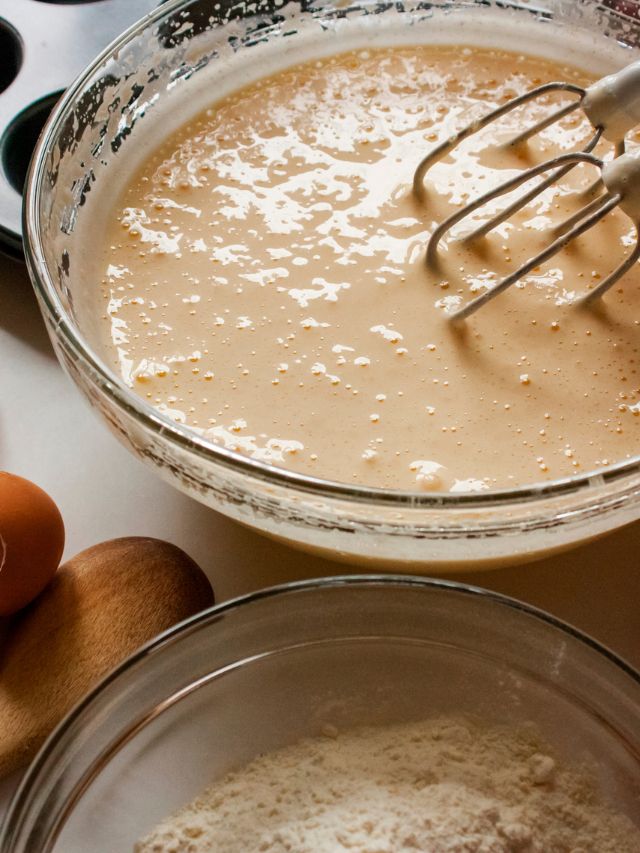
How to store cake batter properly can make all the difference in ensuring that your delicious cake and baked goods come out perfectly every time.

If you’ve ever found yourself with any remaining batter or simply want to save time by preparing your cake mixture ahead of time, you may have wondered about the best option for how to store it without compromising the texture and taste of the final product.
To keep your cake mix batter or any extra batter you have in the best quality for a longer period of time, you can go beyond just using a freezer-safe container.
We’ve got the scoop on the best practices for storing cake batter and how to make the most out of your pre-made mixture after the baking process.
Whether you have a little bit of raw cake batter left over or want some left over for next time.
Factors to Consider

There are several factors to consider when storing cake batter, including the type of batter, the ingredients used in your cake recipe, such as the cake mixes, and the length of time you plan to store it.
Some batters can be refrigerated or even frozen in a freezer ziplock bag or other air-tight container option, while others are best used immediately within the next 1-2 hours.
Understanding the various storage methods for your food items and the impact they will have on the quality of your baked goods is essential for a successful outcome.
When it comes to safe storage, using an airtight container or a ziplock bag is essential to prevent oxidation and maintain the integrity of the batter.
There are different ways to store the batter, such as at room temperature in a dry place, in the refrigerator, or by freezing it for better results after a long time.
Each method comes with its own recommendations and timeframes, which we will explore in this article to help you make the perfect cake every time you break out the baking pan.
The Basics of Storing Cake Batter
Storing cake batter is essential to maintain its freshness, consistency, and rising ability.
First, you need to ask how long can cake batter sit out, then determine what kind of batter you have.
There are a lot of cake batters, some with leavening ingredients.
These cake batters include a scratch cake, a layer cake, or a cake with oil-based cake batter.
The best thing to do is check to make sure your batch of cake batter should definitely be stored one specific way over another.
Another good idea is to measure how much batter you have left to determine how much you need to store.
There are three main ways to store cake batter for the next day or the next couple of days: at room temperature, in the refrigerator, and the freezer.
Room Temperature
When storing cake batter at room temperature, it’s important to consider the type of batter, leavening agents used, and room temperature itself.
Make sure you absolutely don’t want to keep your batter out for a longer time.
Keep the batter in a covered mixing bowl for a short period, but be aware that room temperature storage is less reliable than refrigerated or frozen storage.
Refrigerator
Refrigerating cake batter is a popular and effective method for storage, and a great way to keep your leavening agent from losing its power.
Without this chemical leavener there won’t be any chemical reaction and you won’t have any cake rise when you bake.
Store cake batter in a mixing bowl, covered with plastic wrap to minimize air exposure or cause any air escapes.
Generally, refrigerated cake batter can last for up to 48 hours without damage to the raising agents.
It is recommended to either let the batter warm up on the counter for 30 minutes or bake it straight from the fridge.
The best way to bake it straight from the fridge involves immediately place the batter on a baking sheet or in cake pans then make sure there aren’t any air bubbles before placing the batter into the oven.
Freezer
For longer storage, the freezer is an excellent option.
To freeze cake batter, transfer it to a freezer-safe ziplock bag, ensuring that as much air as possible is removed before sealing.
This prevents oxidation and maintains the batter’s freshness, particularly the liquid ingredients that could go potentially go bad, such as milk and other dairy products.
When you’re ready to use the frozen batter, allow it to thaw completely and ensure it’s reached room temperature before baking.
Selecting the Right Containers

When it comes to storing cake batter, choosing the right container is essential in preserving its quality and freshness.
Here’s the scoop on various options like airtight containers, plastic wrap, and freezer bags.
Airtight Containers
Airtight containers are an excellent choice for storing cake batter in the refrigerator.
These containers help prevent exposure to air, which can cause the batter to oxidize and affect its quality.
To store the batter in an airtight container, simply transfer it from the mixing bowl into the container and seal it tightly.
Airtight containers can keep the batter fresh for up to two days in the refrigerator.
Remember to label the container with the date so you can keep track of its freshness.
Plastic Wrap
Another option for storing cake batter is to use plastic wrap.
By covering your mixing bowl with plastic wrap before placing it in the refrigerator, you can create a temporary airtight seal.
Be sure to release as much air as possible from the mixing bowl before covering it with plastic wrap to minimize the risk of oxidation.
This method is generally suitable for short-term storage and should be used within 48 hours.
You can also use aluminum foil to cover up your batter.
Freezer Bags
If you plan to store the cake batter for an extended period, you may want to consider using freezer bags.
Transferring the batter into a freezer bag allows for longer storage, as the batter can be kept in the freezer for up to three months.
Be sure to release as much air as possible from the bag before sealing it to prevent freezer burn.
When using freezer bags, make sure they are of good quality and have a tight seal to avoid leakage.
Also, label the bags with the date and type of cake batter to ensure easy identification later on.
When you’re ready to use the batter, let it thaw in the refrigerator or at room temperature before baking.
Selecting the right containers is crucial to maintain the quality and freshness of your cake batter.
Whether you opt for airtight containers, plastic wrap, or freezer bags, always secure a proper seal and minimize air exposure to ensure delicious and perfectly baked cakes every time.
Preparing Cake Batter for Storage

Storing cake batter can be a handy way to prepare in advance for baking or to save excess batter for later use, but different ingredients have different storage methods.
Let’s discuss the ideal storage methods for various components of cake batter, such as dry ingredients, wet ingredients, and leavening agents.
Dry Ingredients
Most cakes have many common dry ingredients, such as flour, sugar, cocoa powder, or even soy lecithin.
These ingredients can be safely stored at room temperature in airtight containers or sealed bags for extended periods.
However, it is crucial to keep them away from moisture, as this can cause clumping or spoilage.
When preparing a cake batter for storage, you can choose to mix and store the dry ingredients separately.
Here are some tips for storing dry ingredients:
- Store in airtight containers or sealed bags.
- Keep away from moisture, heat, and direct sunlight.
- Label containers with the ingredient name and date.
Wet Ingredients
Typical wet ingredients in cake batters include milk, eggs, sour cream, and oils such as palm kernel oil
These ingredients are more perishable than dry ingredients and require refrigeration to maintain freshness.
It is essential to use fresh/well-kept wet ingredients when preparing batter for storage to avoid spoiling.
For example, if you plan on using fruit in your batter, make sure you are using fresh fruit.
To store wet ingredients, consider the following:
- Keep refrigerated in sealed containers until it’s time to mix with dry ingredients.
- Label containers with the ingredient name and date.
- Use ingredients with the longest shelf life (e.g., pasteurized milk, fresh eggs).
Leavening Agents
Leavening agents, such as baking soda and baking powder, give cakes their rise and fluffy texture.
These ingredients can lose their potency over time, so it’s important to store them correctly and use them before their expiration date.
When preparing cake batter for storage, you can mix leavening agents with the dry ingredients in advance.
Here are some guidelines to follow:
- Store in airtight containers or sealed bags.
- Keep away from moisture, heat, and direct sunlight.
- Label containers with the ingredient name and date.
When ready to use the cake batter, ensure that you have allowed the wet ingredients and dry ingredients to reach room temperature before mixing them together.
Additionally, if storing a complete cake batter, it is crucial to use the batter within a short period to maintain the effectiveness of leavening agents.
According to Food To Impress, cake batter can be stored in a freezer for up to three months but should be defrosted in the refrigerator or at room temperature before baking.
Storage Considerations Based on Cake Type

When storing cake batter, it’s essential to consider the type of cake you’re making, as different types of cakes may require different storage methods.
Chiffon and Sponge Cakes
Chiffon and sponge cakes are typically airy and delicate, relying on whipped egg whites for their structure.
Batters for these cakes generally don’t store well, as the air trapped in the egg whites can be lost when stored for an extended period, causing the cakes to deflate.
If you must store chiffon or sponge cake batter, ensure that it’s in an airtight container, and store it in the fridge for no longer than a day.
Keep in mind that the quality of the cake may still be affected.
Angel Food Cakes
Angel food cakes are similar to chiffon and sponge cakes but are made primarily with egg whites and no fat.
This type of cake is even more susceptible to deflation, as it relies solely on the egg whites for its structure.
Storing angel food cake batter is not recommended, as it’s likely to result in a dense, unappealing cake.
For the best results, bake angel food cake batters immediately after mixing.
Cupcakes and Muffins
Cupcake and muffin batters tend to be more forgiving when it comes to storage.
They can typically be stored in the refrigerator for up to 48 hours by placing the batter into an airtight container or sealing the mixing bowl with plastic wrap.
For long-term storage, cupcake and muffin batter can be frozen for up to three months.
To do this, transfer the batter to freezer-safe ziplock bags, removing as much air as possible before sealing.
When you’re ready to bake, allow the batter to thaw in the refrigerator or at room temperature before proceeding.
For fruit-based cupcakes and muffins, add the fruit after thawing the batter to maintain the best texture and flavor.
Storing cake batter depends on the type of cake you’re making.
Carefully consider the structure and make you have the right ingredients of your cake before choosing the appropriate storage method.
The best part about baking is being able to take your unfrosted cakes out of the oven, but without the right storage, your batter may go to waste.
Freezing and Thawing Cake Batter

Freezing Process
It’s a convenient way freezing cake batter and storing it for later use. To freeze cake batter, follow these steps:
- Prepare an airtight container or ziplock bag to store the batter. Be sure to label it with the date and type of cake batter.
- Pour the cake batter into the container or ziplock bag, leaving some room for expansion as it freezes.
- Seal the container or ziplock bag tightly to prevent air exposure, which can cause freezer burn.
- Place the container or ziplock bag into the freezer, ensuring it is lying flat, so it freezes evenly. Cake batter can be frozen for up to three months.
Thawing Process
When you’re ready to bake the cake, follow these steps to thaw the frozen cake batter effectively:
- Remove the container or ziplock bag with the frozen cake batter from the freezer.
- Place the container or ziplock bag in the refrigerator to thaw overnight, or for at least 8 hours. This allows the batter to maintain its consistency and ensures even defrosting.
- If you’re in a hurry, you can submerge the container or ziplock bag in a large bowl of cool water to speed up the thawing process. Just be sure the container or bag is sealed tightly to prevent water from seeping in.
- Once the batter has thawed, give it a gentle stir to combine any separated ingredients. Be cautious not to overmix or agitate the batter too much, as this can affect the final texture of the cake.
Once the cake batter is thawed and mixed, proceed with baking according to the recipe’s instructions.
Keep in mind that thawed cake batter may require a slight adjustment in baking time, so be sure to keep a close eye on it and use a toothpick or cake tester to check for doneness.
Safety and Quality Considerations

Food Safety
Refrigerating cake batter is essential for maintaining food safety, as it contains perishable ingredients like eggs and dairy products like cookie dough.
Leaving the batter on the counter for extended periods may cause these ingredients to spoil, leading to the risk of foodborne illness when consumed.
Always keep the batter in a well-sealed container to avoid contamination and spoilage.
If you notice an odd scent or mold formation, discard the mixture immediately as it may be unsafe to consume.
Rising Ability
When it comes to the quality of your baked goods, the batter’s rising ability plays a crucial role.
Storing cake batter for too long, especially in the refrigerator, may lead to a loss of rising ability, resulting in a denser, less-fluffy texture.
If you plan to freeze cake batter, ensure that you use an airtight container and remove excess air to retain the batter’s qualities.
Allow the frozen batter to thaw in the refrigerator or at room temperature before baking for optimal rising and texture.
Shelf Life
The shelf life of cake batter largely depends on the storage method.
When refrigerating cake batter, it is generally safe to consume within 48 hours, although the rising ability and texture may be compromised beyond this time.
The good news is that properly stored cake batter can last up to 10-12 weeks in the freezer.
When using frozen batter, it is crucial to follow the correct thawing process.
Allow the batter to defrost in the refrigerator for a few hours or refrigerate it overnight.
Then, let it sit at room temperature for approximately 20 minutes before baking.
Prioritizing food safety, rising ability, and shelf life is essential when storing cake batter.
By following these guidelines, you can ensure your baked goods maintain their quality, texture, and overall appeal.
Recommendations to Use

Storing cake batter properly is essential to maintain its freshness and prevent it from spoiling.
Here are some key considerations and techniques to help you store cake batter effectively:
Storage Methods
- For short-term storage, refrigerate the batter using an airtight container or cover the mixing bowl with foil, wax paper, or parchment paper. This method is suitable for batters containing raw eggs, buttermilk, or whipped egg whites. Use it within 48 hours for best results.
- For long-term storage, store the cake batter in the freezer using freezer bags or containers with an airtight seal. This method can extend the batter’s life for up to three months.
Leavening Agents and Batter Types
- The presence of leavening agents, such as chemical leaveners, can affect the storage time of cake batter. Be cautious with storing batters that contain significant amounts of these agents, as storing them improperly may result in a less effective rise during baking.
- Different types of batter, such as those made with pâte à choux, may not store well under certain methods. Therefore, consider the specific ingredients and preparation techniques when storing batters.
Packaging Materials
- Select containers and bags made from polyethylene or polyvinyl chloride for an airtight seal when storing the batter. Use zip-top bags or specifically designed freezer bags to prevent freezer burn and protect the flavor and quality.
- Always remove as much air as possible from the bags or containers before sealing to minimize the risk of mold growth and reduce air exposure.
Handling Leftover Batter
- Ensure that the leftover cake batter is allowed to defrost in the refrigerator or at room temperature before baking if it was frozen. This helps ensure even cooking and maintains the desired cake texture.
- Always inspect the stored cake batter for any signs of mold or off-smells before using it. Discard any batters that show signs of spoilage.
By following these recommendations, you can keep your cake batter fresh and ready for use, whether you intend to bake the cake immediately or at a later date.
You are now on your way to becoming a pastry chef with your new skills!
Final Thoughts
Properly storing cake batter, such as red velvet, can help preserve its quality and allow for convenient baking at a later time.
When preparing cake batter using the creaming method, it is important to avoid overmixing to maintain the desired texture.
If you have leftover batter, storing it in an airtight container in the refrigerator is ideal. For added flavor and variety, incorporating ingredients like chocolate chips can enhance the taste and texture of the cake.
Additionally, stored cake batter can be repurposed for making cake pops, offering a fun and creative way to enjoy leftover batter.
By following these storage techniques, you can maximize the versatility and convenience of your cake batter, ensuring a delicious treat whenever the craving strikes.

Get the scoop on more like this: