How Long Does Beef Jerky Last After Opening: Tips To Store

How long does beef jerky last after opening is a common question asked by hungry snackers everywhere.
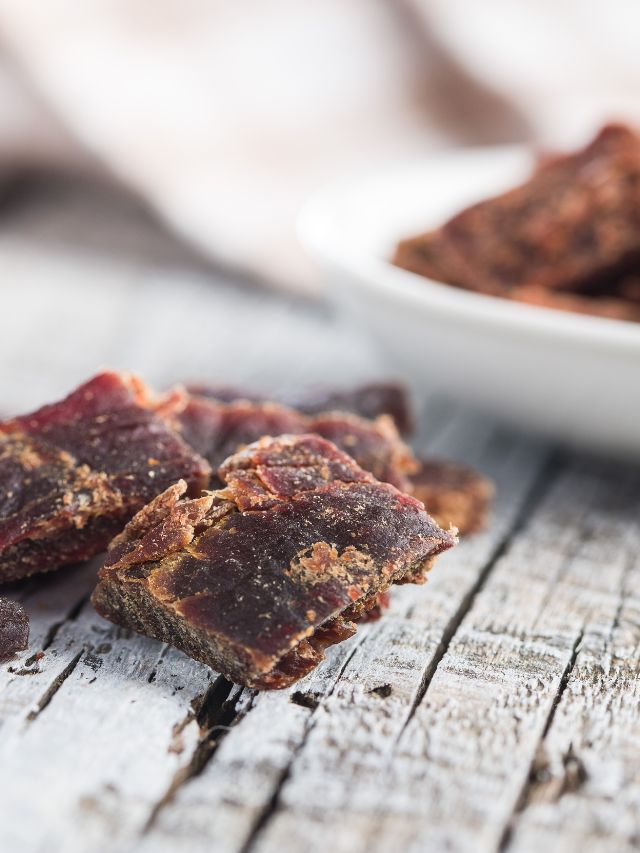
Beef jerky, a popular snack loved by many, offers convenience and a long shelf life. However, once you open a package of beef jerky, its shelf life can be affected by various factors.
Here’s the scoop on how long beef jerky lasts after opening and provides essential tips to extend its freshness and quality.
Whether you’re a jerky lover or someone who enjoys homemade beef jerky, understanding proper storage methods and signs of spoilage is crucial to ensure food safety and maintaining the desired texture.
So, let’s delve into the best ways to store and maximize the jerky shelf life after opening.
Perishable Foods
Commercial beef jerky is a type of lean meat that has been dehydrated and preserved. Store-bought jerky is usually made from beef, but turkey jerky can also be found in some stores.
Commercial jerky is usually vacuum-sealed and shelf-stable, making it a convenient snack.
When it comes to storing beef jerky after opening the package, understanding the best way and important factors can make all the difference.
To ensure that your dehydrated meat stays fresh for as long as possible, you should consider adding an oxygen absorber into the jerky package and properly storing it in a cool dry place.
This is especially true if you are making homemade beef jerky since these have a shorter shelf life than store-bought ones with months of purchase.
The good thing is that there are several ways to tell when beef jerky has gone bad – such as discoloration or unpleasant jerky smells of rotten meat – so you can always be sure of its quality before consuming it.
The Shelf Life of Unopened Beef Jerky

Most store-bought beef jerky packages have a best-by date or expiration date printed on them.
Generally, unopened jerky can last for several months, typically ranging from 1 to 2 months from the date of purchase.
The good news is that the beef jerky’s shelf life can be extended by storing it properly in an air-tight container.
Store-bought jer that comes in a vacuum-sealed package can last for up to 6 months after the date of purchase, whereas homemade jerky should be consumed within a few days of opening.
However, it’s important to check the packaging for the specific timeframe provided by the manufacturer.
To ensure the longest shelf-life of beef jerky, store unopened beef jerky in a cool, dry place away from direct sunlight.
Factors Affecting the Shelf Life of Beef Jerky

It is important to properly store beef jerky after opening in order to extend its shelf life. An air-tight container or zip loc bag is both a great way to keep the jerky fresh for longer.
The best method is to make sure that the bottom seal of the bag is completely closed.
Once you open a package of beef jerky, several factors can influence its shelf life.
These include the moisture content, type of meat used, quality of the meat, drying process, and presence of preservatives such as sodium nitrite or sodium nitrate.
Additionally, proper storage methods play a vital role in maintaining the jerky’s freshness and preventing bacterial growth.
By understanding these factors, you can take the necessary steps to extend the shelf life of your beef jerky.
Proper Storage of Beef Jerky After Opening
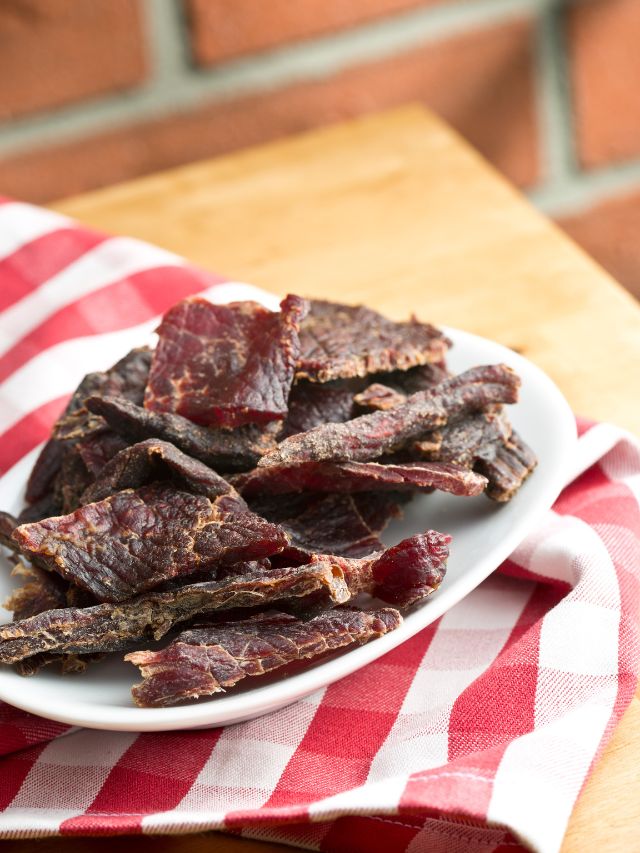
Storing beef jerky in an airtight container or resealable bag is essential to maintain its quality and prevent moisture absorption.
An airtight container or ziplock bag helps protect the jerky from exposure to air, which can cause it to become stale or lose its desired texture.
If you have homemade beef jerky, it’s advisable to transfer it from the original packaging into an airtight container to maximize its shelf life.
When storing opened beef jerky, follow these tips for best results:
a) Use an airtight container: Place the jerky in an airtight container or resealable bag, ensuring all air is squeezed out before sealing.
This helps prevent the growth of bacteria and maintains the jerky’s texture.
b) Optimal storage temperature: Store the container in a cool place at room temperature. Avoid exposing it to direct sunlight, as this can accelerate the spoilage process.
c) Consider refrigeration or freezing: If you want to extend the shelf life of your beef jerky, refrigeration or freezing is a good idea.
Place the jerky in a freezer bag, squeeze out excess air, and seal it tightly. Refrigerated jerky can last for a couple of months, while frozen jerky can remain safe to consume for even longer periods.
d) Vacuum sealing: Using a vacuum sealer can significantly extend the shelf life of beef jerky. Vacuum-sealed packages help remove oxygen, which is a leading cause of spoilage and maintain the jerky’s freshness and flavor.
Signs of Spoilage in Beef Jerky
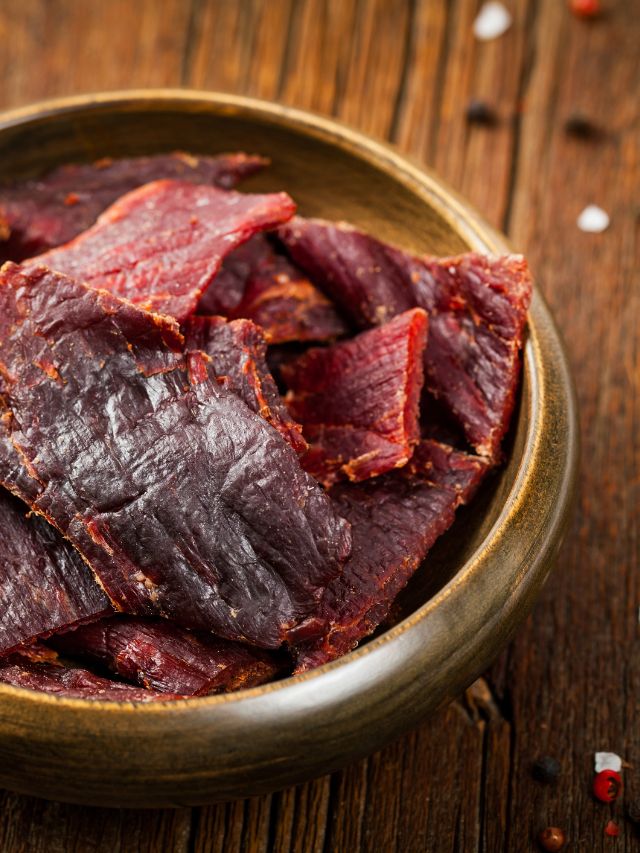
To ensure food safety, it’s crucial to recognize the signs of spoilage in beef jerky. If you notice any of the following, discard the jerky immediately:
Off smell
If the beef jerky emits a foul or rancid odor, it is a clear indication that it has spoiled.
Fresh jerky should have a savory aroma, so any unpleasant or unusual smell suggests bacterial growth or decomposition.
Change in texture
Pay attention to the texture of the jerky. If it becomes excessively dry, brittle, or develops an overly mushy or slimy texture, it is likely spoiled.
The desired texture of jerky is firm and chewy, so any drastic changes should be a cause for concern.
Mold or white spots
The presence of mold or white spots on the jerky indicates microbial contamination.
Mold growth is a sign of spoilage and poses a risk of food poisoning. Therefore, it is crucial to discard the jerky if you notice any signs of mold or white spots.
Unusual color
Beef jerky typically has a dark brown or reddish color. If you observe any discoloration, such as green or gray patches, it is an indication that the jerky has gone bad.
Discolored jerky may be a result of bacterial growth or oxidation and should not be consumed.
Extending the Shelf Life of Homemade Beef Jerky

For those who enjoy making their own jerky, proper storage is equally important to maximize its shelf life. Follow these tips for extending the freshness of homemade jerky:
a) Ensure thorough drying: Properly dehydrate the meat during the jerky-making process to remove moisture effectively. This reduces the risk of bacterial growth and extends the shelf life.
b) Use high-quality ingredients: Start with lean cuts of meat and use high-quality seasonings and marinades. Quality ingredients contribute to better preservation and enhance the overall taste of the jerky.
c) Incorporate sodium nitrite or sodium nitrate: Adding these preservatives during the marinating process of your own beef jerky helps inhibit the growth of bacteria and extends the shelf life of homemade beef jerky.
d) Store in a cool, dark place: After making homemade jerky, store it in an airtight container or vacuum-sealed bag in a cool, dark pantry or refrigerator. This will help maintain its freshness and prevent spoilage.
Homemade beef jerky last for up to three months when stored properly.
If you’re not sure how long it has been in storage, it’s best to err on the side of caution and discard any jerky that smells or looks spoiled.
What Happens When You Leave Jerky Out

When jerky products are left out in the open air for long periods of time they can go bad relatively quickly. The lack of moisture in the product makes it particularly susceptible to spoiling.
When exposed to humid or moist environments, dry jerky can quickly become infested with mold and begin to deteriorate.
This means that if you leave jerky out on a counter or table for an extended period, you can expect it to become stale and lose its flavor within a few days.
When it comes to beef jerky go bad, the shelf-life is an important factor in determining the quality of the product.
While most brands advertise a longer shelf life of 1-2 months for their jerky when stored properly, this is optimistic and assumes that it will be in ideal conditions during its lifetime.
In reality, if exposed to warm temperatures or left open in the air, beef jerky can last a week or two at most.
Tips for Properly Storing Beef Jerky After Opening

1. Use Original Packaging or Transfer to an Airtight Container
The first thing to consider after opening a package of beef jerky is whether to keep it in its original packaging or transfer it to an airtight container.
If the original packaging has a resealable bag or a bottom seal, it can be an effective storage option.
However, if the package lacks proper sealing, it’s best to transfer the jerky to an airtight container to prevent moisture and air exposure.
Glass jars or plastic containers with tight-fitting lids are excellent choices.
2. Vacuum-Sealed Bags or Containers
For longer periods of storage, consider using a vacuum sealer to remove air and preserve the jerky’s freshness.
Vacuum-sealed packages can significantly extend the shelf life of beef jerky by minimizing oxygen exposure. Beef jerky needs to be kept in a cool, dark place.
3. Use Oxygen Absorbers
Placing oxygen absorbers in the storage container or bag can help maintain the jerky’s quality.
Oxygen absorbers are small packets that remove oxygen from the surrounding environment, reducing the risk of oxidation and bacterial growth.
Follow the instructions on the absorber’s packaging for proper usage.
4. Store in a Cool, Dry, and Dark Place
To prevent moisture and heat exposure, store the beef jerky in a cool and dry place away from direct sunlight. A dark pantry or cupboard is an ideal location.
Avoid storing it in the refrigerator unless the package specifically instructs to do so.
The moisture and temperature fluctuations in the fridge can affect the texture and taste of the jerky.
5. Ziplock Bags or Freezer Bags
If you don’t have an airtight container or vacuum sealer, you can use ziplock bags or freezer bags as an alternative. Squeeze out as much air as possible before sealing the bag.
This method can help minimize air exposure and keep the jerky fresh for a longer period of time.
6. Check the Expiration or Best-By Date
Even after opening, it’s a good idea to check the expiration or best-by date on the package. While beef jerky can often last beyond these dates, it serves as a general guideline for its freshness.
If the jerky is already close to the expiration date when you open it, consume it sooner rather than later.
7. Avoid Freezer Burn
If you plan to store beef jerky in the freezer for an extended period, it’s important to protect it from freezer burn.
Freezer burn occurs when moisture evaporates from the jerky and causes dry spots or ice crystals to form, negatively impacting its texture and taste.
To prevent freezer burn, wrap the jerky tightly in aluminum foil before placing it in a freezer bag or airtight container.
8. Observe Signs of Spoilage
Regularly check the beef jerky for any signs of spoilage before consuming it.
If you notice an off smell, sliminess, white spots, or a change in color or texture, it’s best to discard the jerky to avoid the risk of food poisoning. Trust your senses and prioritize food safety.
Final Thoughts
Beef jerky can be a delicious and convenient snack, but proper storage and understanding its shelf life are crucial to ensure food safety and maintain quality.
With proper storage, you can ensure that your beef jerky stays fresh and delicious for a long time.
Long-term storage of jerky is important to maintain its quality and shelf life of the jerky; to maximize its shelf life, store opened jerky in an airtight container in the refrigerator or freezer.
By storing opened beef jerky in a sealed container, refrigerating or freezing it when needed, and being vigilant about signs of spoilage, you can extend its shelf life and enjoy it for a longer period.
Whether you’re dealing with store-bought or homemade beef jerky, following these tips will help you make the most of your jerky and enjoy it as a perfect snack for a long time.
Get the scoop on more like this: