
Can You Put A Plate In The Oven: Safe Plates To Use

Can you put a plate in the oven is a common question many want to know.
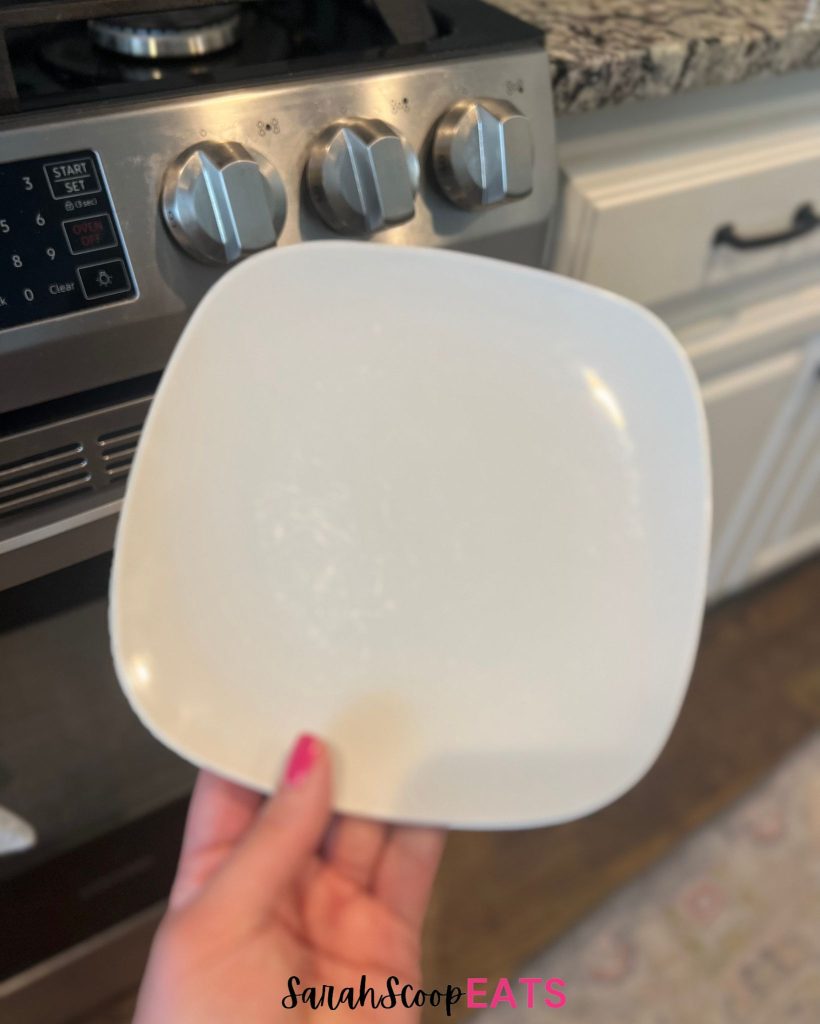
This is a common sense question, especially when wanting to keep your food item warm or reheat a dish directly on the plate.
The short answer lies in identifying the type of plate in question and understanding whether it can withstand the heat generated within the oven’s temperature.
Some plates are oven-safe, including those made from materials like glass, ceramic, metal, and cast iron. You’ll typically find such labels of “oven-safe” on the bottom of such plates.
However, not all plates are created equal, and using a plate that isn’t oven-safe can lead to cracks or even breakage.
While certain common plate materials, such as porcelain, are often oven-safe, it’s important to check the individual plate for any markings or warnings.
Thicker, well-made porcelain plates may be labeled as oven-safe. Whereas thinner plates or those with delicate decorations might not withstand the heat.
As a general rule, remember to always exercise caution and refer to the manufacturer’s guidelines before placing your plate in the oven.
Understanding Oven-Safe Plates

Material
When considering if you can put one in the oven, the first thing you need to look at is the material it’s made from.
Some common oven-safe materials and containers include:
- types of glass dishes
- ceramic dishes
- ceramic dinnerware
- porcelain dinnerware
- parchment paper
- wax paper
- food-grade silicone
- aluminum foil plates
- metal
- stainless steel plates
- stoneware plates
- a sheet pan
- cast-iron plates
These different types of oven-safe plates are a great option because the materials can withstand intense heat from the oven without cracking or breaking. Making them suitable for use in the oven.
Temperature
Another important factor is the temperature at which you’re cooking.
Not all plates can endure the same temperature range or as much heat.
Depending on the type of material, some may not be able to stand the heating element of extreme temperatures or higher temperatures.
It is important to note that the heating coil heats up the materials at different speeds based on the temperature of the oven.
Always refer to the manufacturer’s guidelines for the recommended temperature limits.
For instance, Pyrex is designed specifically for oven usage and can withstand a range of temperatures, even a very hot oven.
Labels
Before you place a plate into the oven, always look for an oven-safe label and take into consideration the different materials.
The oven-safe symbol is typically found on the bottom of the plate and shows an oven with heat waves.
This indicates that these different types of plates have been designed and tested to withstand oven temperatures and be heat resistant.
If you’re unsure whether a plate is safe, it’s best to avoid using it to prevent damage or potential accidents.
By being mindful of the material, temperature, and labels, you can ensure that you are using oven-safe plates in your cooking process.
This will help you avoid any unwanted surprises or damage when preparing meals with various oven-safe materials.
Types of Oven-Safe Plates

Here’s the scoop on the main types of oven-safe plates: Ceramic, Glass, and Metal.
Ceramic
Ceramic plates are a popular choice for oven-safe dinnerware.
High-quality ceramics, like porcelain, can withstand high temperatures without cracking or breaking.
To ensure your ceramic is suitable for oven-use, look for a label or marking indicating they are oven-safe.
It’s important to note that not all porcelain plates are safe for ovens. As thin or poorly made plates may still crack under extreme heat.
Also, avoid exposing ceramic plates to rapid temperature changes, as it may cause them to crack.
Glass
Glass is another excellent option for oven-safe plates.
To use glass plates safely, ensure they are made from oven-safe glass material. Such as borosilicate glass or tempered glass.
This type of glass can withstand high temperatures and is less likely to break compared to regular glass.
Oven-safe glass plates allow your food to heat evenly and safely, without the worry of harmful chemicals seeping into your meal.
However, always inspect your glass plates for cracks or chips before placing using them. A damaged glass can shatter under high temperatures.
Metal
Metal, such as stainless steel and cast iron, can also be used in the oven.
Stainless steel and cast iron plates are typically safe for oven use. But it’s always a good idea to check if they are specifically designed for oven cooking.
Metal plates can withstand high temperatures and are excellent conductors of heat, ensuring your food cooks evenly.
When using metal plates, avoid placing them on a hot, open flame or directly on the stovetop, as it may damage the plate and cause uneven heat distribution.
Remember never to use metal with plastic or coated handles in the oven, as these materials may melt or become damaged.
To sum it up, understanding the type of material is crucial for safely using them in the oven.
When in doubt, always refer to the manufacturer’s guidelines on a specific plate’s suitability for oven use.
Oven-Safe Glass Types
Tempered Glass
Tempered glass is a type of glass that has undergone a special manufacturing process, making it more resistant to breaking and heat.
It’s a popular choice for oven-safe glassware due to its durability and ability to withstand high temperatures.
Tempered glass can often be used in the oven up to about 350°F or even higher, depending on the specific product.
However, make sure to check the manufacturer’s guidelines to ensure that your tempered glass plate is indeed oven-safe before using it.
Pyrex
Pyrex is a popular brand of oven-safe glassware made from borosilicate glass or soda-lime glass.
Borosilicate glass is known for its resistance to thermal shock, making it an excellent choice for oven use.
Soda-lime glass is more commonly used in the United States and is heat-strengthened for added durability.
Pyrex products can usually withstand temperatures up to 450°F, making them a safe option for baking and cooking in the oven.
As with any glassware, it’s essential to follow the manufacturer’s guidelines for proper use and care.
Borosilicate Glass

Borosilicate glass is a type of glass that is highly resistant to thermal shock and chemical corrosion.
It is made by combining silica, boron oxide, and small amounts of other materials, resulting in a glass composition that can handle extreme temperature changes.
Borosilicate glass is typically safe for oven use up to 500°F or even higher.
Benefits of using borosilicate glass in the oven:
- High resistance to thermal shock
- Less likely to crack or shatter under extreme temperature changes
- Can be safely used in the oven, microwave, and freezer
Remember to always check the manufacturer’s guidelines for the specific safe temperature range of your borosilicate glass plate before using it.
And be aware that even oven-safe glass types can break or shatter if exposed to sudden temperature changes or moved from extreme heat to cold surfaces.
To ensure your safety and oven safety, use caution when handling hot glassware and allow it to cool gradually before exposing it to cold surfaces or cleaning with cold water.
Ceramic Plate Safety
When using ceramic plates, it’s important to follow certain guidelines to ensure the safety of your dishes and the quality of your meal.
Dishwasher Compatibility
Most ceramic plates are dishwasher safe, meaning you can easily clean them after using them in the oven.
However, it’s always a good idea to check the manufacturer’s instructions or the label on the bottom of the plate for any specific care recommendations. Keep in mind that:
- Some ceramic plates may not be dishwasher safe, potentially causing damage to the plate or the dishwasher.
- If your ceramic plate has any delicate features or decorations, hand washing may be a better option to protect the design.
Thermal Shock
Thermal shock occurs when a ceramic plate experiences an abrupt change in temperature, or drastic temperature fluctuations, potentially causing cracks or breaks in the dish. To avoid thermal shock:
- Preheat your oven before placing a ceramic plate inside. By doing so, you can ensure that the plate is exposed to a consistent temperature rather than a sudden spike in heat.
- Do not move the ceramic plate from the oven directly to a cold surface, such as a countertop, as this can increase the risk of thermal shock. Instead, use a trivet, silicone mat, or towel to protect your surfaces and the plate.
- Avoid placing a cold ceramic plate in a hot oven, as this could cause it to crack or break. Allow the plate to reach room temperature before using it in the oven.
- Be cautious when using ceramic plates with painted designs, as they could chip when cutting on them with hot utensils.
By following these guidelines and understanding the potential risks, you can confidently use your ceramic plates in the oven, ensuring a safe and delicious dining experience.
Alternative Materials
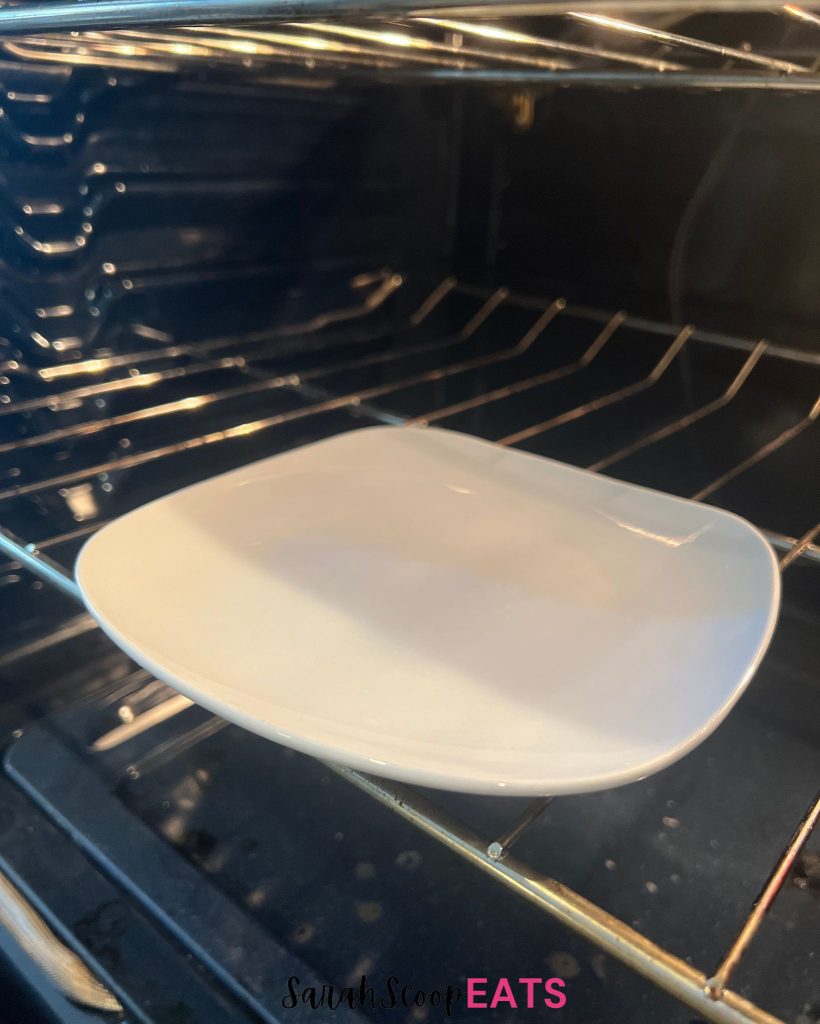
In this section, we will discuss alternative materials for plates that might not be suitable for oven use, including plastic, wood, paper and Styrofoam.
Plastic
When it comes to plastic or melamine plates, it’s essential to remember that they are not oven-safe because plastic melts and emits toxic fumes.
Melamine products can’t withstand high oven temperatures, and using these plates in the oven will lead to melting and possible damage to your oven and meal.
Instead, stick to using plastic plates for serving cold or room temperature foods to prevent any issues.
Wood Plates
Wooden plates, while aesthetically pleasing, are generally not suitable for oven use.
Although some wood types might tolerate low temperatures without warping or cracking, exposing them to the high heat of an oven repeatedly might compromise their integrity.
To avoid any damage, it’s best to use your wooden plates for serving cold food, warm food, or room-temperature plate of food where the heat won’t be an issue.
An example of a popular wooden plate is the ikea plates called palm leaf plates.
Paper Products
Plain white paper plates, or paper plates in general, are not suitable for oven use because they can cause a fire hazard.
To avoid any hazards, it’s best to not use cardboard plates, paper towel, and fine China in the oven.
Styrofoam
Styrofoam plates are another material you should avoid putting in the oven.
The heat from the oven can cause Styrofoam to melt and even release harmful chemicals.
Using Styrofoam in the oven might not only ruin your meal but also pose potential health risks.
Stick to using Styrofoam plates for cold foods or as a disposable option for outdoor events, parties, or picnics.
When selecting a plate to use, always opt for oven-safe materials such as ceramic, glass, or metal.
Refrain from using plastic, wooden, or Styrofoam plates in the oven to ensure the safety of your dishes and the longevity and reputation of these alternative materials.
Things to Avoid
Non-Oven-Safe Plates
When using plates in the oven, it is crucial to ensure they are oven-safe.
Some materials can’t withstand the high temperatures of an oven, such as plastic and wood.
Plastic plates will melt, releasing harmful chemicals and creating a mess, while wooden plates may warp, split or even catch fire.
Additionally, avoid using ones with decorative designs or metallic paint, as they may not be suitable for oven use.
Plates made of materials like stainless steel and cast-iron, on the other hand, are safe for use in an oven.
Shattering and Breakage
Even if its oven-safe, some precautions need to be taken to minimize the risk of shattering or breaking into shards of glass.
Plates made of glass or ceramic, for instance, can be prone to thermal shock.
This happens when the plate experiences a sudden temperature change, such as moving it directly from a hot oven to a cold surface, which may cause the plate to crack or shatter.
To avoid breakage, follow these tips:
- Preheat your oven before placing the plate inside.
- Use oven mitts or hot pads to handle the hot plate.
- Place the hot plate on a towel, trivet, or other heat-resistant surface to prevent thermal shock.
- Let the plate cool gradually before washing or exposing it to cold water.
By paying attention to these guidelines, you can avoid accidents and enjoy the convenience and flexibility of using them in the oven.
Identifying Oven-Safe Plates
Branding
When determining if a plate is oven-safe, it’s essential to check the branding on the bottom of the plate.
Most will have markings like “oven-safe” or “microwave safe” to indicate their suitability for oven use.
Recognizable brands with oven-safe plate lines include Pyrex, CorningWare, and Corelle.
Imported Plates
It’s essential to pay extra attention when dealing with imported plates since different countries may have different manufacturing standards.
Examine the bottom of the plate for any marking related to safety.
If you’re unsure, you may want to check the manufacturer’s website or contact customer support to confirm if it can be used in the oven.
Packaging

When purchasing new plates, always check the packaging for the oven-safe label.
Manufacturers will usually provide clear instructions and guidelines for oven use on the box or in the provided manual.
Look for descriptions like “oven-safe up to 400°F” or “not suitable for oven use.”
Additionally, familiarize yourself with various plate materials that are generally considered oven-safe, such as ceramic, glass, and metal.
This information can be helpful when determining the plate’s compatibility with the oven.
For example, stoneware, porcelain, and toughened glass are typically oven-safe.
In summary, identifying oven-safe plates is crucial for preventing damage to your plates and ensuring safe cooking practices in your kitchen.
By carefully examining the branding, imported plates, and packaging, you can confidently use your plates in the oven without worry.
Frequently Asked Questions
What Temperature Does Ceramic Crack?
Ceramic plates can withstand high temperatures, but they may crack if exposed to sudden temperature changes or if they have existing imperfections.
In general, ceramic plates can safely handle temperatures up to 450°F (232°C) without cracking.
However, it’s best to avoid placing a cold ceramic plate directly into a hot oven.
Instead, gradually heat the plate with the oven to minimize the risk of thermal shock.
Are Ceramic Plates Oven-Safe?
Yes, ceramic plates are generally oven-safe, but make sure to check the manufacturer’s recommendations.
Some porcelain plates may not be marked as oven-safe, especially if they are thin or not well made.
In any case, it’s important to handle ceramic plates carefully when placing them in an oven, and avoid exposing them to sudden temperature changes.
Can I Put Glass Plates in the Oven?
Glass can be put in the oven if they are specifically designed to be safe.
Oven-safe glass plates can typically handle temperatures up to 350°F (176°C).
It’s important not to place a regular glass plate in the oven, as it may break or shatter due to heat.
Even with oven-safe glass, avoid sudden temperature changes, like placing a cold glass plate into a hot oven, as this may cause them to break.
Does Microwave-Safe Mean Oven-Safe?
No, microwave-safe plates labels do not necessarily mean oven-safe. They are usually located on the back of the plate.
These labels indicate that it is safe for use in a microwave oven or an oven, respectively, but not always both. It also doesn’t always mean the plate is safe to use in a conventional oven or air fryer.
The materials and manufacturing process of the plate determine its suitability for different cooking methods.
Microwaves heat items differently than conventional ovens, so a plate that’s safe for the microwave may not necessarily be safe for an oven.
The last thing you need to do is to always check for specific labeling or consult the manufacturer before using a plate in the oven.
Final Thoughts
When it comes to using a plate in the oven, it is important to consider the specific type of oven being used, such as a toaster oven, and the material of the plate, such as bone china.
While some plates, particularly those made of bone china, may be able to withstand the heat of the oven, it is generally not recommended to place them directly on the heating coils.
The intense heat generated by the heating coils can potentially cause the plate to crack or shatter, leading to a safety hazard and damage to the oven.
It is advisable to use oven-safe dishes or bakeware designed to withstand high temperatures when using the oven for cooking or reheating purposes.
By using appropriate cookware and following the manufacturer’s instructions, you can ensure a safe and successful cooking experience while protecting your plates and the oven.
Get the scoop on more like this:
- Can You Put A Plate In An Air Fryer: How To Use
- Can You Freeze Coconut Oil: Tips For How To
- Can You Put A Fork In The Microwave: What Happens
- Can You Freeze Babybel Cheese: How Long Does It Last
This post contains affiliate links, thanks for the sport!


